
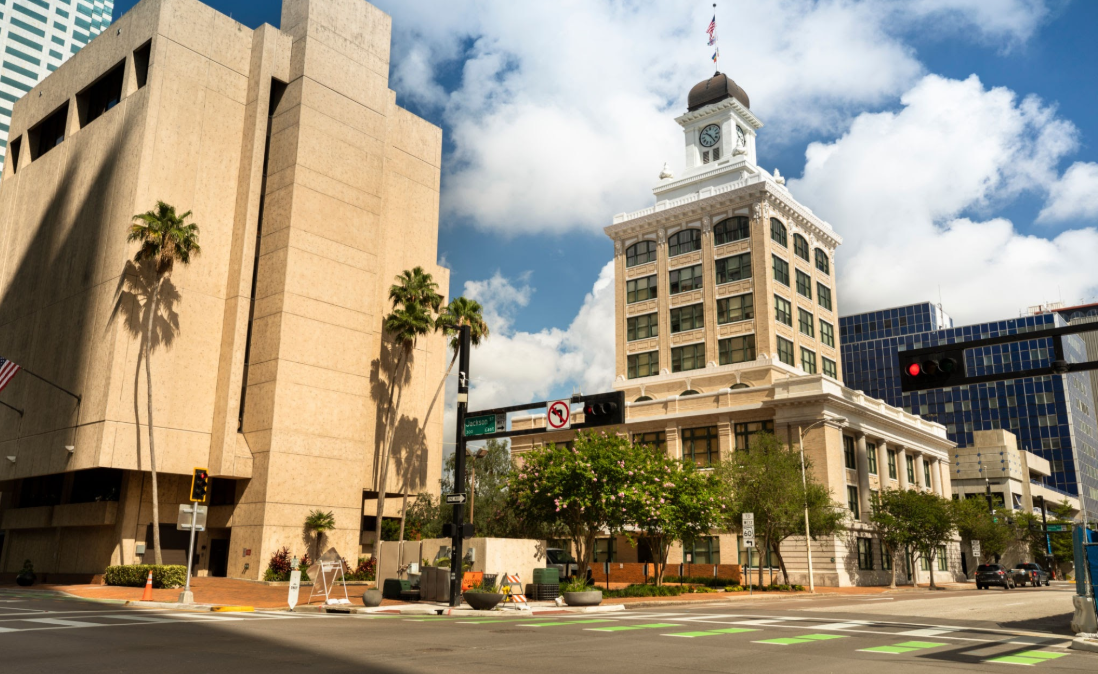
While Florida homeowners are celebrating a major tax break following the November election, city leaders in Tampa are quietly crunching the numbers—and bracing for a tighter fiscal future.
Earlier this month, roughly 62% of Florida voters approved Amendment 3, a sweeping constitutional measure that significantly expands the state’s homestead exemption for non-school property taxes. Under the new rules, the exemption jumps to $150,000 in 2027, rises to $250,000 in 2028, and adjusts for inflation starting in 2029. For Tampa residents, that means meaningful relief on annual property tax bills. For City Hall, however, it means recalibrating how the city pays for growth and infrastructure.
What Happens to Tampa’s Current Budget?
According to city officials, Tampa’s current $2.04 billion net budget—adopted by the City Council in September—remains intact for the immediate fiscal year. That means previously restored funding for neighborhood improvements, youth programs, transit, and stormwater maintenance is safe for now.
The real challenge begins next year. Because property taxes serve as a cornerstone of municipal revenue, Tampa officials are already evaluating how reduced collections will affect staffing, day-to-day municipal services, and long-term capital investments starting in 2027.
Road Improvements on the Chopping Block
Tampa City Council Chair Alan Clendenin noted this week that while Tampa’s diversified revenue streams and steady economic growth put the city in a stronger position than smaller neighboring municipalities—such as Temple Terrace, which projects a $4 million annual loss—major infrastructure timelines will likely shift.
“We should be able to weather this pretty well,” Clendenin said, while acknowledging that city leaders will need to reconsider the pacing of major capital projects.
Specifically, road improvements are among the first big-ticket items facing potential delays as administrators map out how to absorb the drop in property tax revenue.
The Broader Bay Area Ripple Effect
Tampa is far from alone in navigating this post-election reality. Across the bay in St. Petersburg, Mayor-elect Charlie Crist announced he will forgo pursuing additional local tax cuts in light of Amendment 3, emphasizing that police and fire budgets must remain protected despite incoming revenue losses. Meanwhile, Hillsborough County commissioners are also weighing major infrastructure commitments, including advancing funding mechanisms for a new Tampa Bay Rays stadium alongside countywide capital needs.
As 2027 approaches, Tampa residents will be watching closely to see how City Hall balances voter-mandated tax relief with the everyday demands of a rapidly growing metropolis.
Leave a Reply