
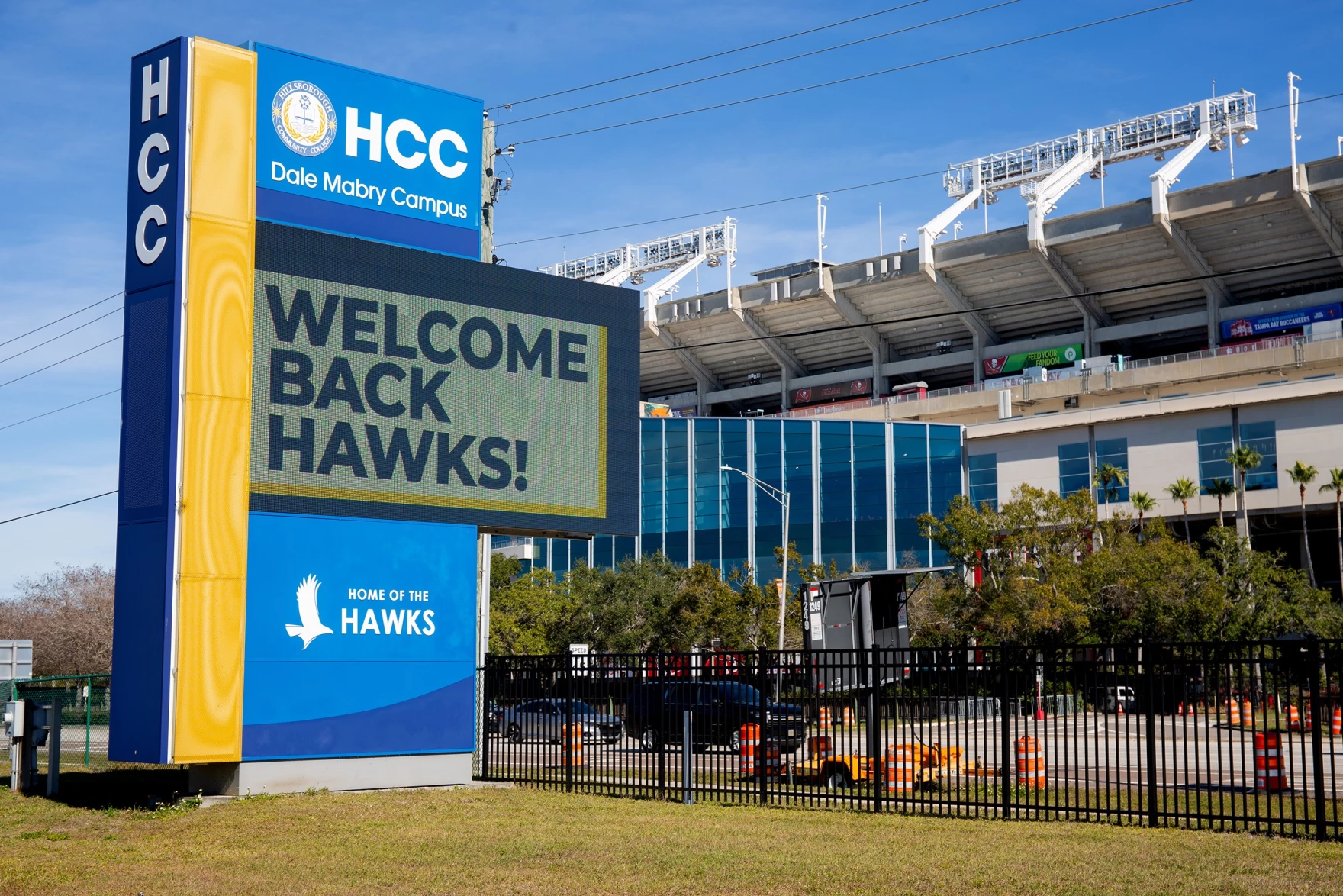
As we head into the final days of May 2026, Tampa’s political landscape is dominated by high-stakes stadium negotiations and the critical pivot toward emergency preparedness. Here is a look at what’s shaping the conversation in the city.
The Rays Stadium Framework: A “Done Deal” in the Making?
The most significant local political development this week involves the proposed $2.3 billion Tampa Bay Rays stadium project. On Thursday, May 21, the Tampa City Council narrowly passed a non-binding memorandum of understanding (MOU) in a 4-3 vote, following a similar move by the Hillsborough County Commission.
The deal is far from finalized, and tensions remain high regarding the funding structure, which includes $80 million from a half-cent sales tax and $100 million in reinvested property taxes. Interestingly, in a rapid-fire development just one day after the local MOU was signed, Florida lawmakers included $50 million for “campus improvements” at Hillsborough College—the site of the proposed stadium district—within the state budget. However, Senate budget chief Ed Hooper has cautioned that this state funding is not guaranteed until the local financing agreements are “signed and sealed”.
“Get Tampa Ready”: Hurricane Season 2026
With the Atlantic Hurricane Season approaching, city leaders have shifted their focus to public safety. In a recent press conference, officials unveiled the first-ever City of Tampa Hurricane Guidebook, a comprehensive resource aimed at simplifying evacuation planning and stormwater readiness for residents.
The city is urging residents to follow three key steps:
- Make an evacuation plan.
- Create an emergency kit.
- Stay informed.
Residents can also connect directly with emergency management experts during the upcoming Tampa Fire Rescue Hurricane Preparedness Expo, scheduled for Saturday, May 30, at Al Lopez Park.
State-Level Budget Negotiations
Beyond local stadium news, Tallahassee has been in a special session to finalize the state budget. Florida lawmakers reached agreements on targeted raises for first responders, including a 4% increase for corrections officers, state law enforcement, and firefighters. Additionally, they have allocated $250 million to an emergency fund that Governor DeSantis can utilize for immigration enforcement operations, following new rules requiring legislative approval for spending on “manmade” emergencies.
For those interested in how these local government processes unfold, you can view the recent proceedings regarding municipal zoning and other city business here: Tampa City Council Meeting May 2026.
Leave a Reply