
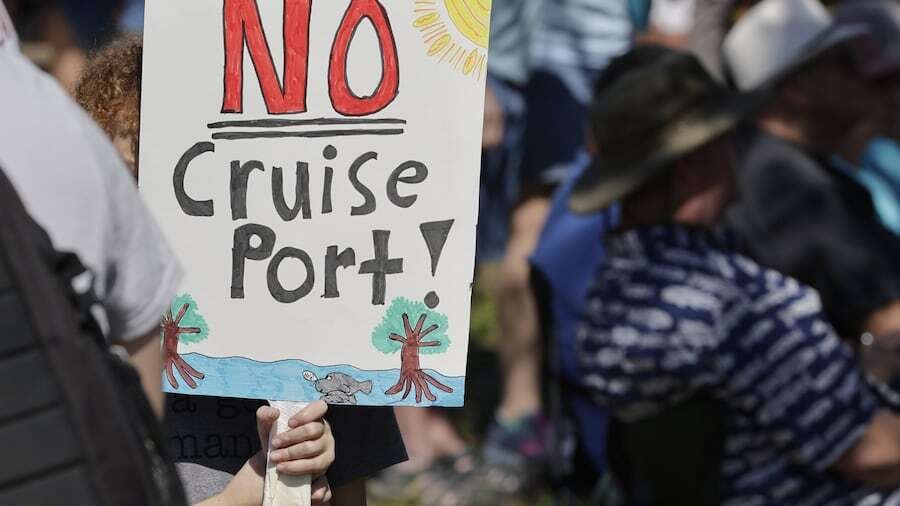
When hundreds gathered along the sun-washed shoreline of Manatee County this weekend, the mood was a mix of concern, resolve, and a stubborn love for the place they call home. The rally brought together environmental scientists, dedicated anglers, and community advocates who share a single message: the proposed multiberth cruise terminal deserves thorough scrutiny, not a fast-track approval.
Background: What’s at Stake
Manatee County’s proposed cruise port would bring a major new terminal to the Gulf Coast, promising economic boosts and increased tourism. But opponents warn that the project could disrupt delicate coastal ecosystems, strain already-pressure water resources, and alter the quiet rhythm of a community accustomed to a slower pace. The debate isn’t only about jobs and revenue; it’s about what kind of development the county wants to embody for decades to come.
Environmental Scientists Speak
Experts in coastal ecology and marine science addressed the crowd, laying out concerns about habitat loss, sediment disruption, and potential water quality impacts. Their message was measured but urgent: any large-scale project here must include robust environmental baselines, independent impact assessments, and long-term monitoring plans. The scientists emphasized that prevention is cheaper than remediation and that healthy ecosystems underpin resilient local economies—fishing, tourism, and recreation that depend on clean water and productive coastlines.
Anglers and Fishing Communities
Local anglers stood with posters and signs, underscoring the cultural and economic value of a coastline that has long fed families and supported small businesses. For many in these communities, the water isn’t just a backdrop; it’s a livelihood. They spoke about seasonal shifts, migratory patterns, and the delicate balance between keeping the streams and bays open for fish and for future generations of stewards.
Community Advocates and Civic Voices
Residents from neighborhoods near the proposed site shared personal stories about traffic, noise, and the fear that ballooning tourism would alter the character of their towns. They called for transparent planning processes, opportunities for public input, and clear timelines for environmental review. The rally sent a clear message: community voices must be central, not sidelined, in decisions that will shape local landscapes and daily life for years to come.
The Balancing Act: Economy vs. Ecology
Proponents of the port argue that the project could bring jobs, anchor investment, and create new amenities for visitors and residents alike. Critics counter that short-term gains should not eclipse long-term costs to ecosystems, water quality, and coastal resilience. The middle ground, many attendees suggested, lies in a development plan that prioritizes:
- Comprehensive, independent environmental impact assessments.
- Strong mitigation strategies for habitat and water quality.
- Realistic traffic and infrastructure plans that minimize disruption.
- Ongoing, transparent monitoring with public reporting.
- Meaningful community engagement throughout the project’s lifecycle.
What Comes Next
As the sun dipped low, attendees left the rally with a shared sense of purpose: to hold policymakers accountable and to ensure that responsible planning, not rushed decisions, guide any path forward. Local governments will review environmental studies, economic projections, and public feedback as they weigh permit applications and contracts.
Ways to Get Involved
- Attend town hall meetings and request clear timelines for environmental review.
- Read and share the commissioned impact studies; ask questions about methodology and assumptions.
- Join or form local stewardship groups focused on coastal health, water quality, and wildlife habitat.
- Support organizations advocating for resilient, sustainable coastal development.
Leave a Reply