
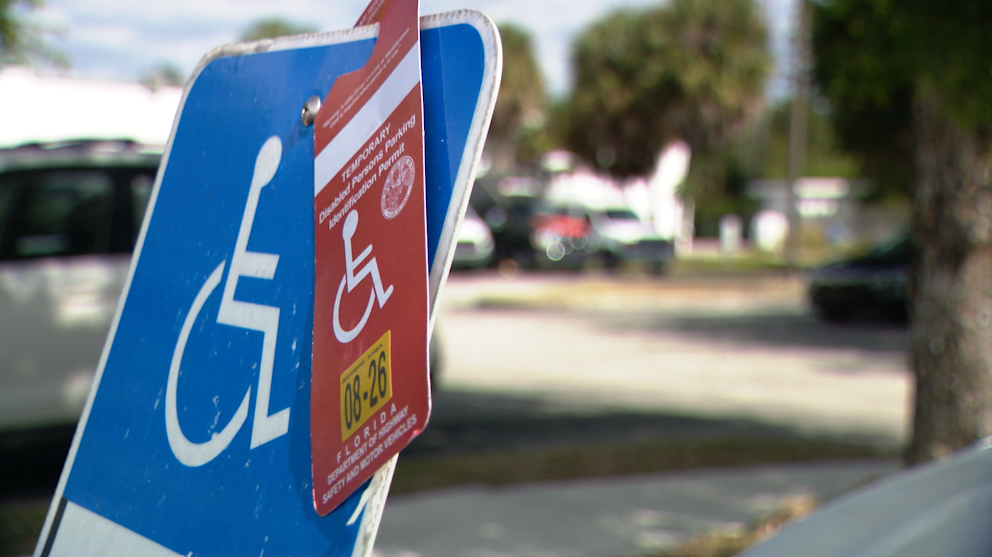
A Florida law that permits pregnant women to use parking spaces reserved for people with disabilities is currently under scrutiny in court. The law, intended to provide additional support for expectant mothers, has sparked controversy among disability advocates and legal experts.
Background of the Law
The legislation allows pregnant women, regardless of whether they have a documented disability, to park in designated accessible parking spots. Supporters argue that pregnancy can create mobility challenges, especially in the later stages, and that access to closer parking can help reduce strain and prevent accidents.
The Legal Challenge
Disability rights advocates have filed a lawsuit challenging the law. Their main argument is that the need for accessible parking for people with disabilities already far exceeds the available spaces. They contend that allowing non-disabled individuals, even pregnant women, to use these spots undermines the purpose of the Americans with Disabilities Act (ADA) and makes it harder for people with genuine mobility issues to find convenient parking.
Perspectives
- Supporters of the law argue that pregnancy can temporarily limit mobility, and providing access to accessible parking improves safety and comfort for expectant mothers.
- Opponents warn that prioritizing pregnant women over people with permanent disabilities could lead to overcrowding and misuse of accessible spots, potentially creating dangerous situations for those who genuinely need them.
Broader Implications
The case raises questions about how to balance temporary mobility challenges with the ongoing needs of people with disabilities. Courts will need to weigh public safety, fairness, and the practical impact on parking availability when making a decision.
Conclusion
As this legal challenge progresses, Floridians and policymakers will be closely watching how courts interpret the law and its impact on both disabled individuals and pregnant women. The outcome could influence similar legislation across the country and set an important precedent for accessibility and fairness in public spaces.
Leave a Reply